
AR-15 Upgrades: A Complete Guide to Improving Your Rifle
One of the best things about the AR-15 platform is that you don’t need to buy a new rifle every time you want something better. The modular design means almost every component can be swapped out or tuned, and in a way that can make the rifle feel like a whole new gun.
But with dozens of upgrade options on the market, knowing where to start isn’t always obvious. Still, it may be simpler than you think. The right upgrades depend on how you use the rifle, what you don’t like about it right now, and your budget.
This guide breaks down the most impactful AR-15 upgrades by category and helps you prioritize based on your actual use case. We’ll also cover what to do with the parts and rifles you end up replacing… because after a few upgrade cycles, most AR owners find themselves sitting on more spare parts than they expected.
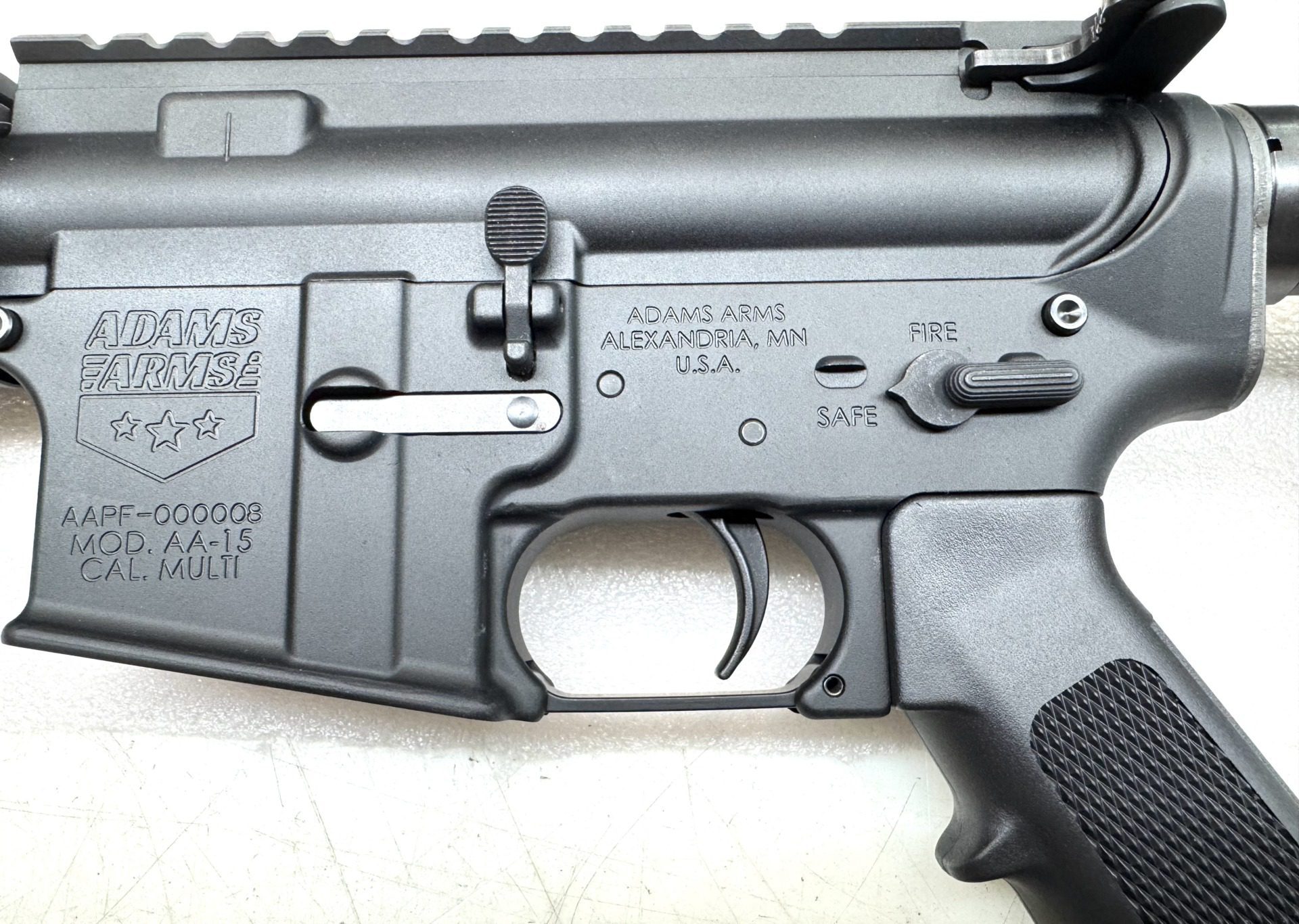
Figure 1 – P1 with mil-spec trigger, safety, and grip
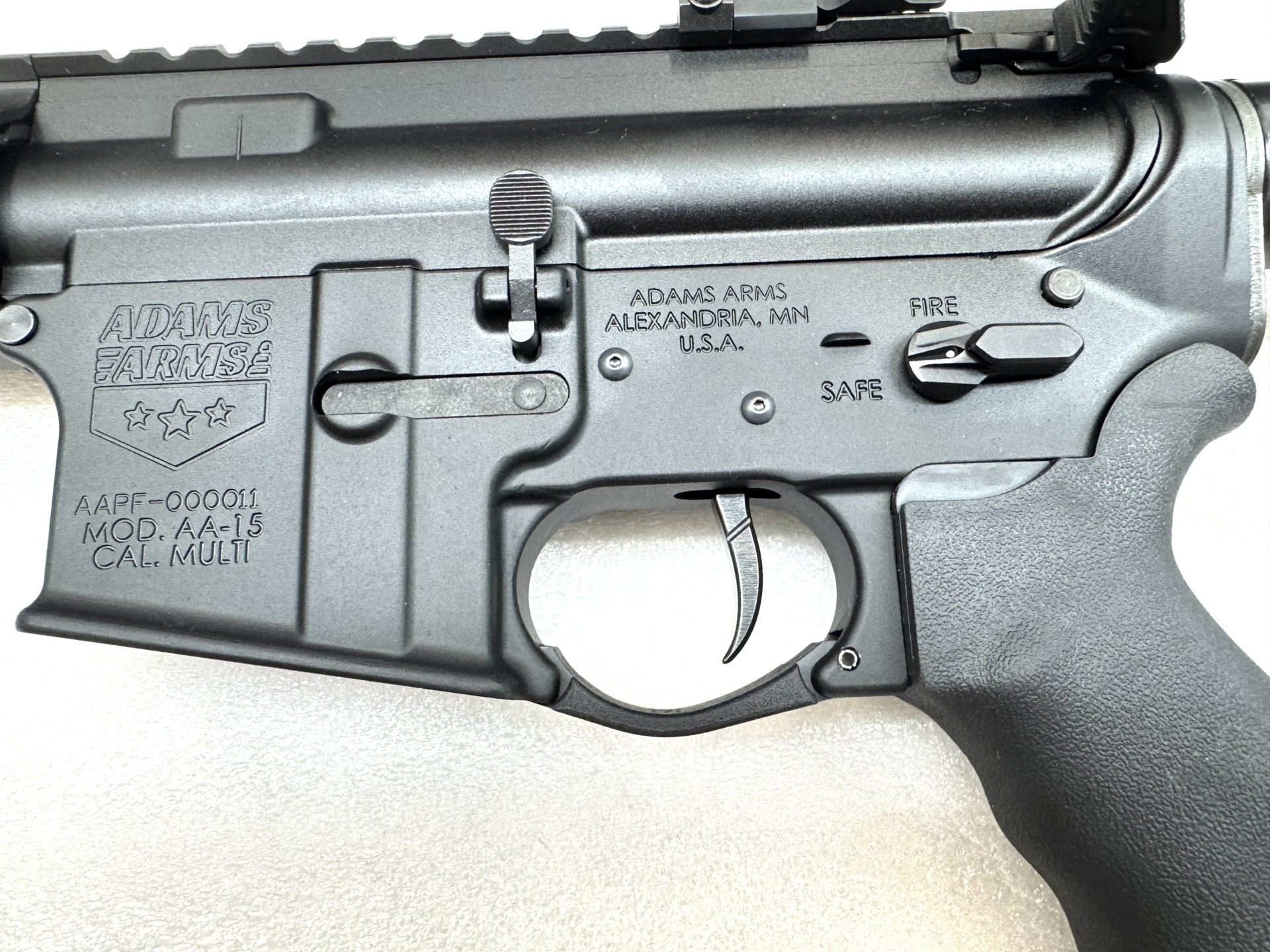
Figure 2 – P2 with upgrades: drop-in trigger, ambi safety, and grip
Best AR-15 Trigger Upgrades
The factory mil-spec trigger that ships with most AR-15’s is functional, but that’s about it. It’s often heavy, gritty, and fitted with a vague break point.
All of that can work against accuracy and consistency so a quality aftermarket trigger is arguably the single most noticeable upgrade you can make to any AR-15.
Drop-in trigger cassettes have made this upgrade extremely accessible. Most require no gunsmithing and can be installed in under fifteen minutes with basic tools.
You’ll even find options ranging from enhanced mil-spec triggers with a cleaner pull to single-stage competition triggers with a crisp, light break. Not sure what type to look for? Here’s a guide based on your usage:
- For general purpose use, a single-stage trigger in the 3.5 to 4.5 pound range is a solid starting point. It’s light enough to improve accuracy without being so sensitive that it becomes a safety concern during quick or stressed shooting.
- If you shoot competition, you may want to go lighter. Many competitive shooters run 2.5 to 3.5 pound triggers with minimal reset for faster follow-up shots.
If your rifle is primarily for home defense, a slightly heavier pull with a clean, positive reset may be more appropriate.
Best Optic Upgrades
Iron sights have their place, but a good optic will often make you a more effective shooter faster than almost any other equipment change. What you choose depends entirely on your primary use again, so here’s a guide to follow:
- A red dot sight is hard to beat for close to mid-range work (home defense or general range use). Modern red dots are lightweight, nearly indestructible, and allow both-eyes-open shooting that’s significantly faster than aiming through irons.
- A low-power variable optic (LPVO) in the 1-6x or 1-8x range offers the best of both worlds for shooters who need versatility across distances. At 1x it functions similarly to a red dot. Crank it up and you can make precise shots at several hundred yards. There’s a reason these have become the go-to choice for competition shooters and hunters alike.
- A magnifier on a flip mount is a cost-effective option If you already have a red dot and want to extend your rifle’s range without replacing it. It keeps your close-range speed intact while adding magnification when you need it.
Best Barrel Upgrades
The barrel has a massive influence on your rifle’s accuracy potential, so it’s a big upgrade choice. Factory barrels on budget AR-15’s are often made from 4140 chrome-moly steel with a carbine-length gas system. That’s adequate but leaves room for improvement.
Upgrading to a higher-grade barrel steel typically makes a noticeable difference, but the right choice depends on your priorities.
- 4150 CMV is the mil-spec standard. It’s extremely hard, handles heat well, and can stand up to a lot of rounds, making it ideal for high-volume shooters.
- 416R stainless steel is designed specifically for precision. Its machinability allows tighter, more uniform rifling, which translates to better accuracy. The trade-off is that 416R has a shorter barrel life than 4150 under heavy use.
For most civilian shooters who aren’t running full-auto, either can be a step up from a budget 4140 barrel. But don’t think it’s all about the material.
Profile matters too: a heavier profile resists heat better during sustained fire, while a lighter profile reduces fatigue during long sessions or field carry.
There’s also the length and gas system. A 16-inch barrel with a mid-length gas system is one of the most versatile configurations available, so it’s typically what people choose for upgrades.
Why? Because the gas port is further from the chamber than a carbine-length system, giving the bullet more time to drop in pressure before cycling the action. The result is softer recoil and less wear on internal components over time.
If you’re changing barrels, you may want to do the gas block at the same time. A low-profile adjustable gas block lets you tune the gas flow to your specific load and suppressor setup. That further reduces recoil and improves reliability.
Best AR-15 Free Float Handguard Upgrades
If you’re still running a plastic two-piece handguard with a delta ring, a free-floating handguard is one of the most transformative upgrades available. It’s useful for just about every use case too.
It eliminates contact between the handguard and the barrel, which can improve accuracy. It also gives you a full-length M-LOK or Picatinny rail surface for mounting accessories like lights, lasers, and grips.
Free-floating handguards also tend to be slimmer and lighter than old two-piece designs, which improves handling. Choose a length that covers your gas block for a clean look and added hand protection.
This upgrade pairs well with a barrel change, by the way. If you’re pulling the old handguard off anyway, it’s the ideal time to address both components at once.
Note: Make sure your handguard and barrel nut combination is compatible with your gas system. Piston systems often depend on proper handguard and barrel nut compatibility in order to function correctly.
AR-15 Home Defense Upgrades
For a home defense AR-15, reliability and speed under stress are everything. You’re shooting at close range in low light, potentially under extreme adrenaline. Upgrades should focus on making the rifle faster to deploy and easier to use in those conditions.
Here are the ones we’d generally recommend as mandatory:
- A weapon-mounted light because you need to positively identify what you’re shooting at, and a handheld flashlight occupies a hand you need for the gun. Mount a high-output light (minimum 500 lumens) with a pressure switch you can activate without changing your grip.
- A sling that keeps the rifle attached to you if you need a free hand to open a door, grab a phone, or move a family member.
Beyond that, keep it simple. A home defense rifle doesn’t need a magnified optic or an adjustable stock with every feature available. Reliability, a good trigger, a light, and a red dot will serve you far better than a rifle loaded with accessories.
Competition and Hunting Upgrades
For competition, every fraction of a second counts. Beyond the trigger (covered above), you should consider these upgrades:
- A quality compensator or muzzle brake can make a significant difference. It redirects muzzle gases to counteract recoil and muzzle rise, meaning your dot stays closer to the target between shots.
- An ambidextrous charging handle and extended magazine release speed up reloads and malfunction clearing.
These are small upgrades individually, but the cumulative time savings add up fast in a match.
For hunting, on the other hand, weight reduction is the priority. Think about getting these:
- A lightweight handguard, a pencil barrel, and a minimalist stock can shave a pound or more off your rifle. That matters when you’re hiking miles into the field.
- A good LPVO or fixed 4-6x scope with an illuminated reticle handles dawn and dusk shots when game is most active.
- A piston-driven operating system is worth considering for hunters in wet or dusty environments. We’ll cover this in more detail below, but piston systems basically run cleaner and cooler than direct gas impingement, which means less fouling and field cleaning.
Reliability and System Upgrades to Consider
These are the under-the-hood changes that improve how your rifle functions mechanically. Less glamorous than a new optic, but they can still have major impact on how the rifle runs.
Piston Conversion
The standard AR-15 uses direct gas impingement, where hot combustion gases travel through a tube directly into the bolt carrier group. It works, but it deposits carbon, heat, and fouling into the receiver. It’s actually why AR-15’s have a reputation for needing frequent cleaning.
A piston-driven system replaces the gas tube with a piston rod that pushes the bolt carrier mechanically. The combustion gases never enter the receiver.
The result is a dramatically cleaner action, lower operating temperatures, and improved reliability in adverse conditions. That’s especially valuable for shooters who run suppressors, shoot in dirty or wet environments, or… well, simply want to spend less time cleaning.
Piston conversion kits allow you to convert an existing direct impingement rifle without replacing the entire upper. Strongly recommended if your rifle tends to foul fast.
Bolt Carrier Group
An upgraded BCG with a quality coating (think nickel boron, DLC, or titanium nitride) runs smoother, resists fouling better, and is significantly easier to clean than a standard phosphate-coated BCG.
For lightweight builds, a titanium or lightweight steel BCG reduces reciprocating mass and changes the recoil character. That said, lighter BCGs can be more sensitive to gas tuning.
Buffer System
The buffer and spring control how the bolt carrier cycles. If you’ve changed your barrel length or added a suppressor, tuning the buffer system can resolve cycling issues and smooth out the rifle’s feel.
Heavier buffers slow the carrier down, reducing felt recoil. That’s useful if your rifle is over-gassed. An adjustable or hydraulic buffer even allows fine-tuning without swapping parts.
What to Do With the Parts and Rifles You Replace
After a few rounds of upgrades, most AR-15 owners end up with a growing collection of old parts and sometimes entire rifles they no longer use. It adds up faster than you’d expect, speaking from experience!
What to do with them? Some parts can go toward a second build. If you have a spare lower, leftover components from your upgrades might be enough to assemble a backup rifle or a dedicated training gun.
But if your safe is getting crowded with rifles and parts you genuinely don’t plan to use again, selling them is the practical move. You can put that value directly toward your next upgrade instead of letting it sit.
Selling individual parts through forums or marketplaces works, but it’s time-consuming — especially if you’ve accumulated several rifles or a full collection of old builds. You’ll have to list them one by one.
A simpler option may be to use certain online FFLs. Ones like Cash for Arms buy entire collections (guns and parts) at once. You get a quote, ship the firearms, and receive payment without the hassle of listing individual items, negotiating with dozens of buyers, or coordinating multiple transfers. It’s generally the easier path if you want to be sure everything or nearly everything in your firearm collection sells.
Where to Start with Rifle Upgrades
If you’re overwhelmed by the options, here’s a simple framework: identify the one thing that frustrates you most about your rifle right now, and fix that first.
Missing shots you should be hitting? Upgrade the trigger or optic. Rifle feels uncomfortable after a long session? Look at the stock, grip, and handguard. Spending more time cleaning than shooting? Consider a piston conversion or coated BCG. Building for a specific purpose? Refer to the home defense, competition, or hunting sections above and prioritize accordingly.
The beauty of the AR-15 platform is that you don’t have to do everything at once. Each upgrade builds on the last, and over time you end up with a rifle that’s genuinely tailored to how you shoot.